

By Emily Chen
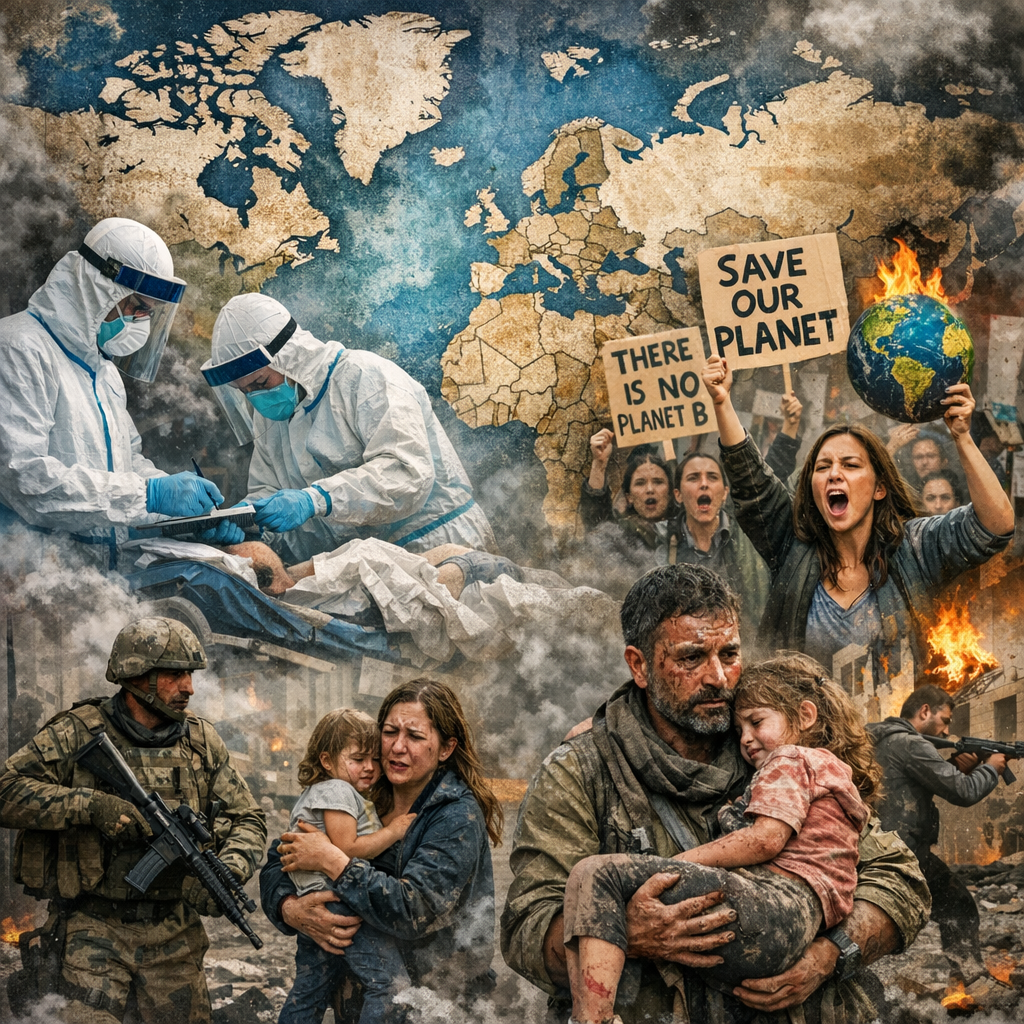
In today’s interconnected world, events unfolding on the other side of the planet eventually ripple into Toronto—and frequently affect us more than we realise. From health emergencies to geopolitical tensions, here are some of the most pressing global developments, what they mean, and why Toronto should care.
Ongoing Conflicts and Their Expanding Impact
Conflict levels worldwide remain alarmingly high. According to violence tracking data, incidents of armed clashes, drone assaults, and civil unrest have intensified across multiple regions in Asia, the Middle East, Europe, and Africa. These conflicts bring massive humanitarian costs, displace millions, and often disrupt supplies of food, energy, and essential goods. Governments and aid organisations warn that civilian safety and global stability are increasingly fragile.
For instance, crises in countries like Sudan and South Sudan stand among the worst displacement emergencies globally, with millions forced from their homes and health systems stretched beyond capacity. Conflict doesn’t stay within borders—it disrupts trade routes, drives migration, and creates international ripple effects. Recognizing patterns in conflict exposure helps decision-makers anticipate the next hotspot before it escalates.
Health Threats: Disease Outbreaks and Systemic Vulnerabilities
The global health landscape continues to challenge us with multiple ongoing threats. Outbreaks of cholera, measles resurgence, and mpox are appearing in regions that were previously thought to be relatively secure. Public health experts warn that many systems—particularly in conflict-affected or low-income settings—are not equipped to handle sudden outbreaks or interruptions in services. Chronic non-communicable diseases, mental health and substance use disorders, and food insecurity are also recognized among the top health risks intensifying in the post-pandemic era.
One key concept gaining traction is “One Health,” which links human, animal, and environmental health. This approach aims to prevent disease spillover, improve food safety, and address environmental hazards such as air and water pollution—factors that contribute significantly to health risks globally.
Climate Goals: Progress, Gaps, and Urgency
International agreements like the Paris Agreement remain central to global efforts to combat climate change. While most countries have submitted or updated their climate pledges (officially called Nationally Determined Contributions), there remains a large gap between what’s promised and what’s needed to avoid the worst future climate impacts. Temperatures continue to rise, extreme weather events grow more frequent, and vulnerable communities suffer disproportionately.
Experts emphasise that beyond submitting targets, what matters now is strong implementation: clean energy transitions, reducing greenhouse gas emissions, funding adaptation strategies, and ensuring that climate action is paired with equity. Without significant investment and political will, both mitigation and adaptation efforts risk falling short.
Why These Issues Matter for Toronto
First, global health risks do not stay global. Travel, trade, migration and supply chains mean that outbreaks or disruptions abroad can reach Toronto quickly. Second, climate change has local dimensions—heatwaves, air quality, flooding and extreme weather are already affecting communities in Greater Toronto and across Ontario. Third, instability abroad influences immigration flows, refugee resettlement, global commodity prices, and economic risk—in ways that touch both the public and private sectors here.
How We Can Stay Informed and Engaged
- Support and monitor reliable news sources and health agencies to stay aware of emerging risks.
- Encourage local policymakers and institutions to integrate global risk assessments into planning—whether it’s in health, infrastructure, or emergency response.
- Promote and support organizational collaboration across health, environment, research and diplomacy sectors.
- Foster public awareness—understanding matters. Voters, consumers, and community groups all have roles in shaping how Canada engages with global challenges.
Keeping an eye on the global horizon isn’t just idealistic—it’s essential. The issues we face aren’t isolated. Helping build a world with stronger health systems, effective climate action, and fewer conflicts benefits Toronto—and everyone.