

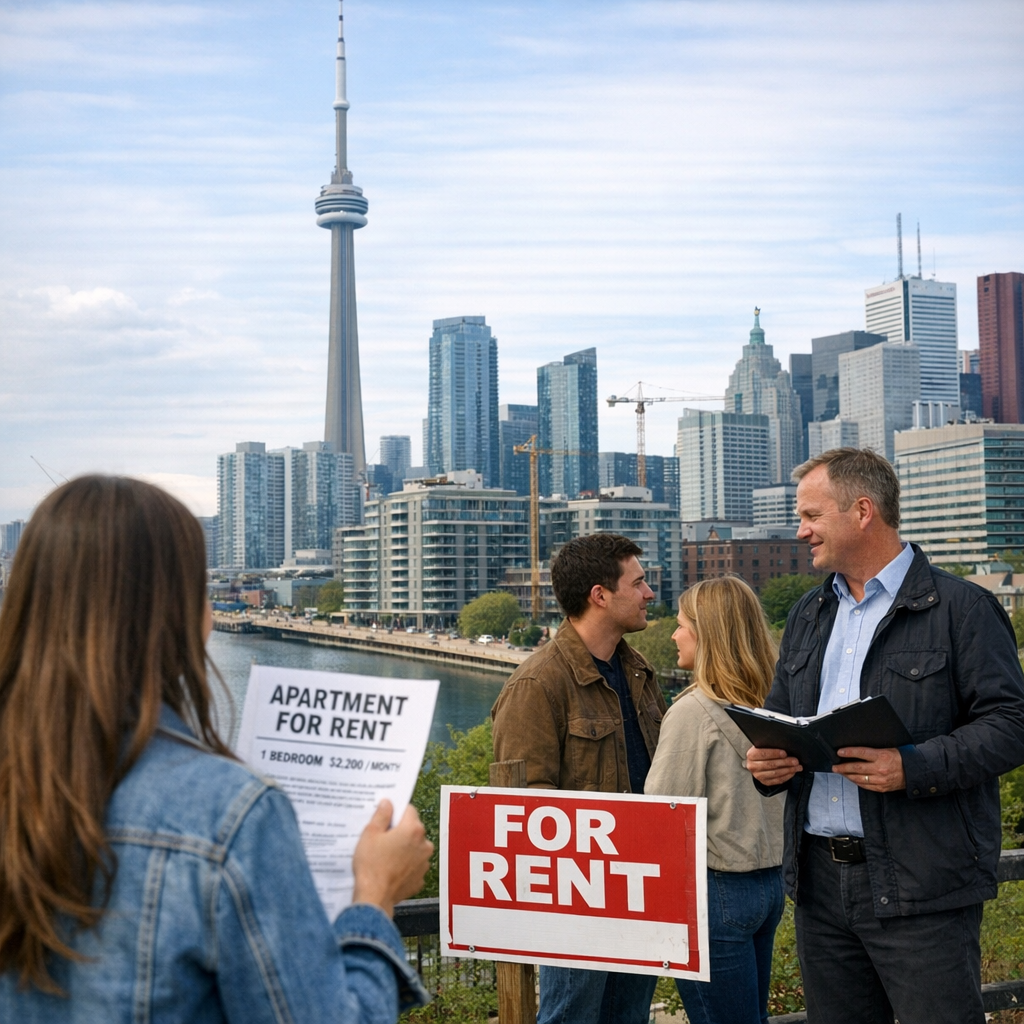
Toronto’s rental landscape is undergoing significant changes, presenting both opportunities and challenges for tenants and landlords alike. Understanding these shifts is crucial for making informed decisions in the current market.
Current Rental Market Trends
Recent data indicates a softening in Toronto’s rental market. As of April 2026, the average rent for all property types in Toronto stands at $2,400 per month, reflecting a 4% decrease from the previous year. This decline is accompanied by an increase in available rentals, with approximately 10,791 units on the market. Notably, apartments are the most affordable option, averaging $2,536 per month, while houses average $3,300 per month. Source
Factors Influencing the Market
Several factors contribute to these market dynamics:
- Increased Supply: A surge in condominium completions has added a significant number of units to the rental market, providing tenants with more options and reducing competition for available properties.
- Shifts in Demand: Changes in immigration patterns and economic conditions have influenced rental demand. While permanent residents continue to support the market, a reduction in temporary residents has led to decreased demand in certain segments. Source
- Economic Factors: Interest rate adjustments and broader economic conditions have impacted both landlords’ operating costs and tenants’ affordability, influencing rental rates and vacancy levels.
Implications for Tenants
For tenants, the current market offers several advantages:
- Increased Negotiating Power: With higher vacancy rates and more available units, tenants have greater leverage to negotiate favorable lease terms, including rent reductions and added amenities.
- Broader Selection: The influx of new rental units provides a wider array of choices in terms of location, size, and features, allowing tenants to find accommodations that better suit their preferences and budgets.
Considerations for Landlords
Landlords are facing a more competitive environment and should consider the following strategies:
- Competitive Pricing: To attract tenants, landlords may need to adjust rental rates in line with current market conditions and consider offering incentives such as free rent periods or included utilities.
- Property Enhancements: Investing in property upgrades and maintaining high standards can make units more appealing to prospective tenants.
- Flexible Lease Terms: Offering flexible lease durations or terms can attract a broader range of tenants and reduce vacancy periods.
Looking Ahead
While the current market favors tenants, it’s essential to monitor ongoing developments. Economic recovery, changes in immigration policies, and shifts in housing supply can all influence future rental market conditions. Staying informed and adaptable will be key for both tenants and landlords navigating Toronto’s evolving rental landscape.