

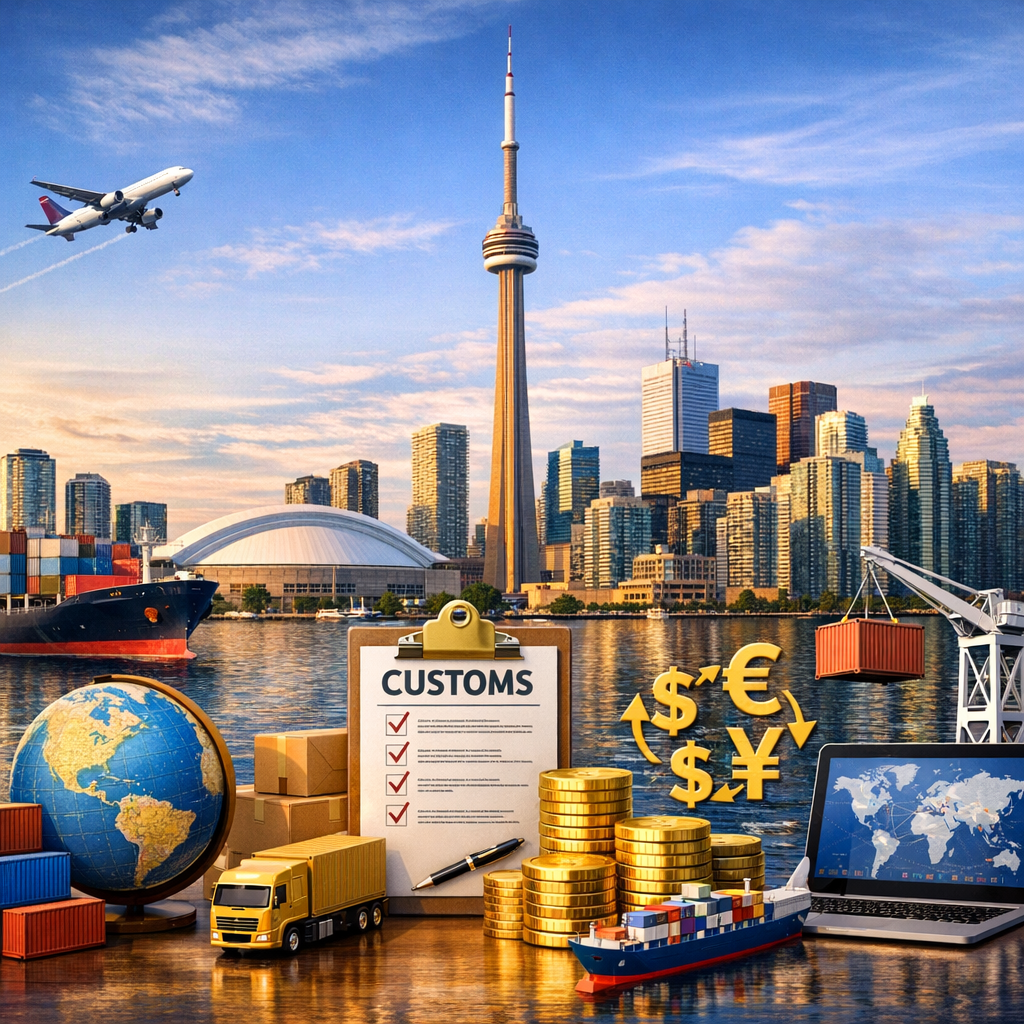
The trade relationship between the United States and Canada has long been one of the most robust and integrated in the world. However, recent developments have introduced new complexities that are particularly relevant to Toronto’s economy.
Historical Context
Historically, the U.S. and Canada have enjoyed a deeply interconnected trade relationship. In 2024, Canada was the United States’ second-largest trading partner, with two-way trade in goods and services totaling US$917.4 billion. This relationship has been governed by agreements such as the North American Free Trade Agreement (NAFTA) and its successor, the United States–Mexico–Canada Agreement (USMCA), which came into force on July 1, 2020.
Recent Developments
In 2025, the U.S. administration imposed 25% tariffs on key Canadian exports, citing concerns over immigration and drug trafficking. This move led to a series of retaliatory measures from Canada, including tariffs on over $100 billion worth of U.S. goods. Additionally, rhetoric from U.S. officials suggesting the annexation of Canada has further strained relations.
Impact on Toronto
Toronto, as Canada’s largest city and a major economic hub, is particularly sensitive to these shifts. The imposition of tariffs has disrupted supply chains, affecting industries ranging from automotive manufacturing to agriculture. Businesses in Toronto that rely on cross-border trade have faced increased costs and uncertainty, prompting some to seek alternative markets and suppliers.
Looking Ahead
As the USMCA approaches its scheduled review in July 2026, stakeholders in Toronto are closely monitoring the situation. The outcome of this review could have significant implications for trade policies and economic strategies. In the meantime, Toronto’s business community is advocating for policies that promote stability and predictability in trade relations, emphasizing the importance of a strong and cooperative partnership between the U.S. and Canada.
In conclusion, while the U.S.-Canada trade relationship faces challenges, Toronto’s resilience and adaptability position it well to navigate these complexities. Continued dialogue and collaboration will be key to ensuring mutual economic prosperity.