

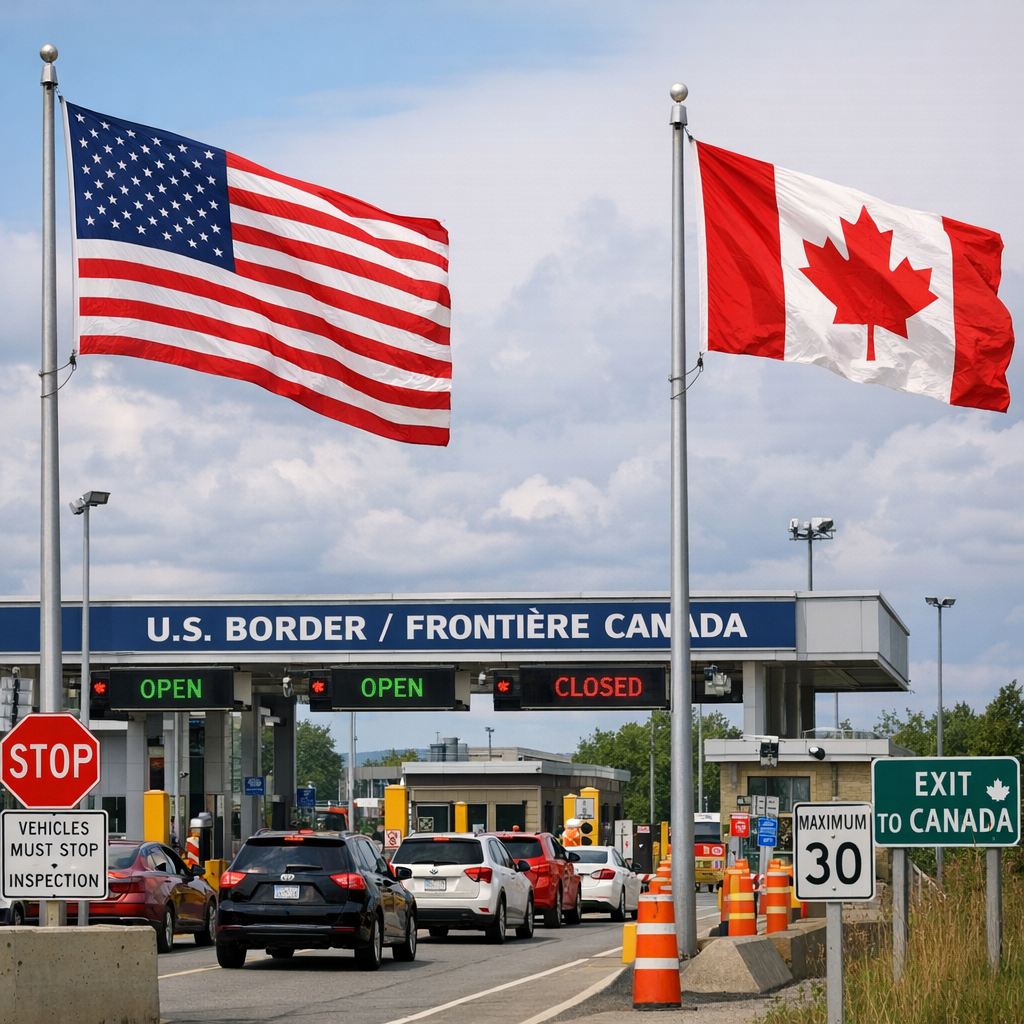
The trade relationship between Canada and the United States has long been one of the most robust and integrated in the world. However, recent political developments have introduced new complexities that could reshape this dynamic.
Historical Context
Canada and the U.S. have shared a deep economic bond, with bilateral trade supporting millions of jobs in both countries. In 2024, the two nations exchanged goods and services worth over US$917 billion, underscoring the significance of this partnership. The United States–Mexico–Canada Agreement (USMCA), which replaced NAFTA in 2020, has been central to facilitating this trade.
Recent Political Developments
In recent years, the U.S. administration has adopted a more assertive stance towards Canada. Notably, President Trump’s rhetoric about annexing Canada as the 51st state has raised eyebrows and fueled nationalist sentiments within Canada. Additionally, the imposition of tariffs on key Canadian exports, including steel and aluminum, has strained relations further.
Impact on Trade
These political tensions have tangible economic implications. The U.S. tariffs have prompted Canada to consider retaliatory measures, potentially affecting industries such as automotive and energy. The integrated nature of these sectors means that disruptions could have cascading effects on supply chains and employment on both sides of the border.
Looking Ahead
As the scheduled USMCA review approaches in July 2026, both nations have an opportunity to address these challenges. Canada’s proposal to renew the agreement for another 16 years reflects a desire for stability and continued cooperation. However, the success of these negotiations will depend on both parties’ willingness to find common ground amidst the current political climate.
For Toronto residents and businesses, staying informed about these developments is crucial. The evolving U.S.-Canada trade relationship will undoubtedly influence economic conditions, job markets, and the broader business environment in our city and beyond.