

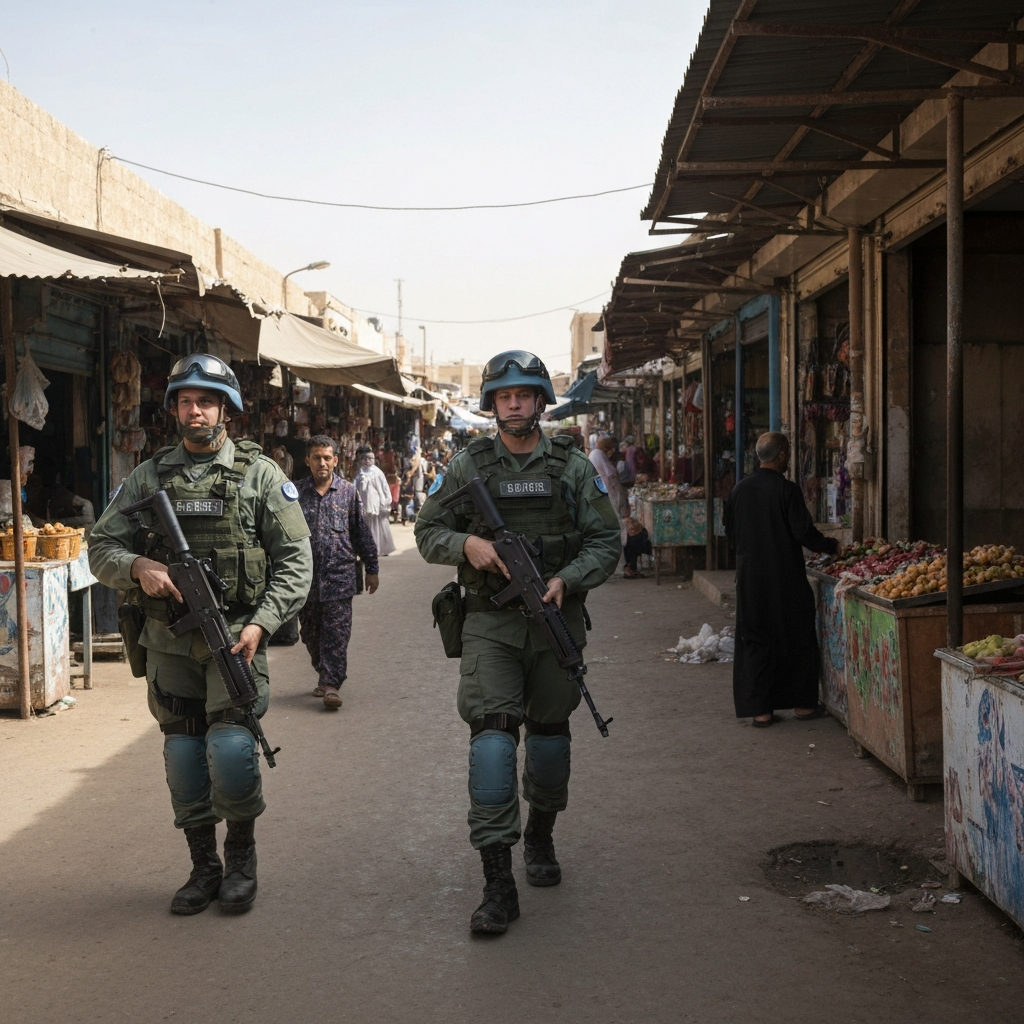
Canada has a storied history in international peacekeeping, dating back to the 1956 Suez Crisis. During this pivotal event, Canadian Secretary of State for External Affairs Lester B. Pearson proposed the first large-scale United Nations (UN) peacekeeping force, earning him the Nobel Peace Prize and establishing Canada as a leader in global peace efforts.
Over the decades, more than 125,000 Canadians have served in over 50 peacekeeping missions worldwide, with approximately 130 making the ultimate sacrifice. These missions have ranged from monitoring ceasefires to providing humanitarian aid in conflict zones.
In recent years, Canada’s direct participation in UN peacekeeping has declined. As of 2026, only 27 Canadian peacekeepers are deployed on UN missions, a significant decrease from the peak of about 3,300 in the 1990s. This shift reflects changes in global conflicts and Canada’s defense priorities.
Despite the reduced number of personnel, Canada remains committed to supporting international peace and security. The country is the eighth-largest financial contributor to the UN’s peacekeeping budget, covering 12 missions worldwide. Additionally, Canada provides specialized military capabilities to both UN and non-UN peace support operations, such as Operation CALUMET in Egypt.
Canada also contributes through capacity building and policy leadership. Initiatives like the Elsie Initiative for Women in Peace Operations aim to increase the meaningful participation of women in UN peacekeeping. Furthermore, Canada engages in training support to peace operations, including deploying to Rwanda and Uganda to deliver ‘train the trainer’ courses.
While the nature of Canada’s involvement in peacekeeping has evolved, the nation’s commitment to promoting global peace and security remains steadfast. Through financial contributions, specialized support, and policy initiatives, Canada continues to play a significant role in international peace efforts.